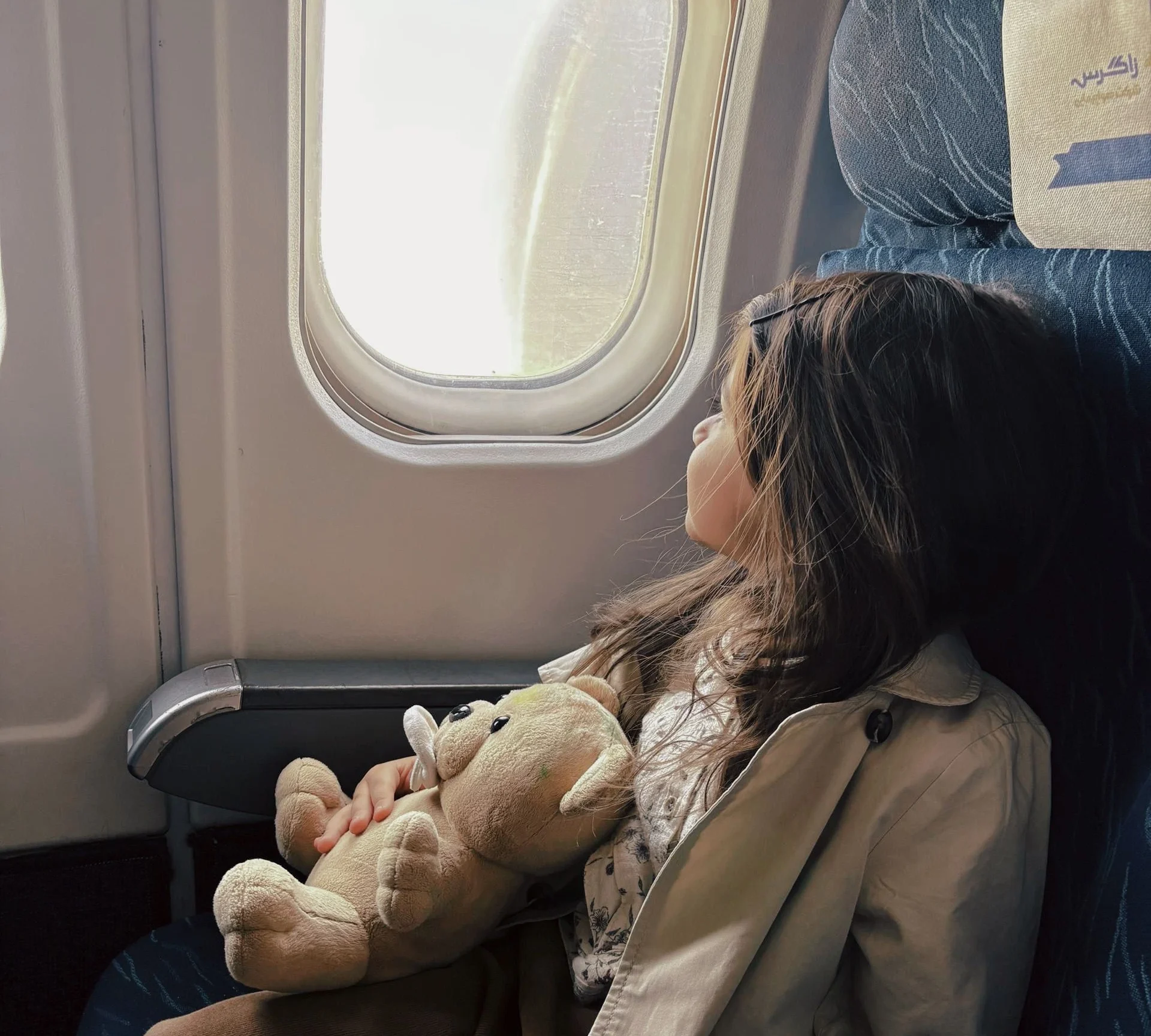
Travelling can be an exciting opportunity for the whole family, but unfamiliar places, changes to routine, crowds, noise and unexpected events can also make travel challenging for a child with Autism Spectrum Disorder.
The good news is that preparation can make a significant difference. Travelling does not have to mean avoiding holidays or family trips. Instead, it can help to understand what your child finds difficult, prepare them for what is coming and build familiar supports into the journey.
Every autistic child is different. Some children may be particularly sensitive to noise, bright lights, smells, textures or crowds, while others may seek out sensory experiences. Changes to familiar routines can also be difficult for some children.
The aim is not to make the trip completely predictable. Rather, it is to give your child enough information, familiarity and support to cope when things do change.
What can make travel difficult for a child with Autism?
Travel can be challenging because it often involves several changes at once. A child may need to cope with a new environment, unfamiliar people, different food, altered sleeping arrangements, long periods of waiting and changes to their usual routine.
Some common challenges include:
- Loud or unpredictable sounds
- Crowded airports, stations or tourist attractions
- Bright lighting
- Strong smells
- Different temperatures
- Unfamiliar clothing or bedding
- Changes to meal and sleep times
- Long periods of sitting or waiting
- Unexpected delays
- New people and unfamiliar social situations
- Difficulty finding a quiet place to take a break
Sensory sensitivities can affect autistic children in different ways. Some children may become overwhelmed by particular sensations, while others may actively seek additional sensory input. (Raising Children Network)
Before travelling, think about your child’s individual sensory, communication, routine and regulation needs rather than simply looking for a generic “autism-friendly” travel checklist.
1. Prepare your child for the trip before you leave
One of the most useful things you can do is explain what will happen before the journey.
A new destination can be difficult to understand when a child does not know what to expect. Talking through the trip can make unfamiliar situations more predictable.
Depending on your child’s age and communication style, you could:
- Show photographs of the destination.
- Look at pictures of the airport, hotel or transport.
- Explain how you will get there.
- Talk about how long the journey will take.
- Explain what will happen when you arrive.
- Practise unfamiliar parts of the journey.
- Use a visual schedule or social story.
For example, if you are flying, you could show your child photographs of an airport and explain the sequence: arriving at the airport, checking in, going through security, waiting at the gate, boarding the plane and finding the seat.
Social stories can also help children prepare for unfamiliar situations and sensory changes such as different sounds, lighting and temperatures. (Raising Children Network)
Give your child a clear idea of what will happen
Instead of saying:
“We’re going on holiday tomorrow!”
you could provide more information:
“Tomorrow we are going to the airport. We will check in, go through security, wait for the plane and then fly to Brisbane. After the plane, we will get our bags and go to the hotel.”
Visual information can be particularly useful when spoken explanations are difficult to process.
2. Keep familiar routines where possible
A holiday naturally involves some changes, but you do not have to change everything at once.
Try to keep familiar parts of your child’s routine wherever possible. This might include:
- Similar breakfast foods
- Familiar snacks
- A favourite bedtime routine
- Familiar clothing
- A favourite toy or comfort item
- Regular medication routines
- Familiar music or activities
- Similar sleep and rest times
Sleep is particularly worth considering. Travel can affect children’s sleep, and maintaining familiar bedtime routines may help them settle in an unfamiliar environment. (Raising Children Network)
Think of the routine as an anchor. The location may be different, but some parts of the day can remain familiar.
3. Plan for sensory needs
Sensory preparation should be specific to your child.
If your child is sensitive to sound, for example, consider bringing noise-cancelling headphones or earplugs if they are comfortable using them.
If bright light is difficult, sunglasses or a hat may help.
If crowds are overwhelming, research quieter times to visit attractions or identify a place where your child can take a break.
A simple travel kit could include:
| Possible challenge | Items or strategies to consider |
|---|---|
| Noise | Headphones, earplugs, familiar music |
| Bright light | Sunglasses, hat |
| Waiting | Favourite toy, book, tablet or activity |
| Food changes | Familiar snacks or preferred foods |
| Unfamiliar environments | Visual schedule, photos, comfort item |
| Overwhelm | Quiet space, planned breaks |
| Movement | Movement breaks where practical |
| Communication | Visual cards or communication supports |
These are examples rather than requirements. What works for one child may not work for another.
Raising Children Network recommends strategies such as quiet spaces, gradually introducing children to new environments, headphones for sound sensitivities and allowing time to recover after busy activities. (Raising Children Network)
4. Build breaks into the itinerary
A common mistake is trying to fit too many activities into one day.
For some children, a full day of sightseeing followed by dinner in a busy restaurant may be too much. Instead, consider planning fewer activities with more opportunities for rest.
For example:
Morning: Visit an attraction
Lunch: Familiar food in a quieter setting
Afternoon: Return to accommodation for downtime
Evening: Simple dinner and familiar bedtime routine
You may not see every attraction, and that is okay.
A successful family holiday is not measured by how many activities you complete. It is about creating an experience that your child and family can enjoy.
5. Prepare for things not going according to plan
Even the best travel plan can change.
Flights can be delayed. Restaurants can be closed. Weather can change. A favourite activity may not be available.
For a child who finds unexpected changes difficult, it can help to prepare for this possibility before the trip.
You might include a “change” section in a visual schedule or explain that sometimes plans need to be different.
For example:
Plan: Go swimming after lunch
If plans change: Swimming pool closed → return to hotel → choose another activity
The goal is not to predict every possible problem. It is to help your child understand that a change does not mean the whole day has gone wrong.
Preparing children for changes gradually and using visual strategies can support transitions and help them understand what is happening. (Raising Children Network)
6. Choose accommodation carefully
Where you stay can have a significant impact on the overall experience.
Before booking accommodation, consider your child’s needs.
You might look for:
- A quieter room away from lifts or busy common areas
- A separate sleeping area if possible
- Access to a kitchen or familiar food preparation facilities
- A bathtub or shower that your child is comfortable using
- Easy access to outdoor space
- A location close to planned activities
- Access to a quiet area where your child can take a break
If your child relies heavily on a particular bedtime routine, consider whether the accommodation allows you to recreate some familiar elements.
7. Prepare for airports and public transport
Airports and public transport can involve multiple sensory and social demands.
Before travelling, check whether the airport, airline or transport provider offers accessibility support that may be appropriate for your family.
It can also help to contact the provider in advance and explain your child’s needs.
If your child uses mobility equipment or other specialised equipment, additional arrangements may be required. Raising Children Network recommends contacting the airline or travel provider before travelling to discuss accessibility, boarding and equipment requirements. (Raising Children Network)
If possible, practise parts of the journey before the actual trip.
For example, you could visit the airport without flying, take a short train journey or practise waiting in a busy environment.
Gradual practice can help a child become familiar with new experiences before they become part of a larger journey.
8. Pack familiar food and essential items
Food can become another source of stress during travel, particularly if your child has a limited range of preferred foods or specific dietary needs.
Where permitted, bring familiar snacks and foods that your child is comfortable eating.
Also consider packing important medication, medical information and essential supplies in your hand luggage where appropriate.
For international travel, check airline and destination-country requirements for medicines, food and other supplies before leaving Australia.
A useful approach is to separate your packing into three categories:
Essential: Medication, communication supports, important documents and required equipment.
Comfort: Favourite toys, headphones, familiar snacks and comfort items.
Activities: Books, games, tablet, drawing materials or other preferred activities.
9. Have a plan if your child becomes overwhelmed
Even with preparation, your child may become overwhelmed.
When this happens, focus first on reducing demands and helping your child feel safe.
Consider:
- Moving away from crowds
- Reducing noise and conversation
- Finding a quieter space
- Offering a familiar sensory or comfort item
- Giving your child time to recover
- Avoiding unnecessary demands
- Using communication methods that your child understands
Try to stay calm yourself. Your child may need time before they are ready to continue the activity.
It can also be useful to identify potential triggers before the trip. If your child regularly becomes overwhelmed by certain environments, consider whether you can modify the environment, change the timing or provide additional support.
Common mistakes when travelling with an autistic child
Some approaches can unintentionally make travel harder.
Trying to do too much
- Why it can be difficult: Your child may not have enough time to rest and recover.
- Try instead: Plan fewer activities and allow more downtime.
Keeping the trip a surprise
- Why it can be difficult: Unfamiliar environments and sudden changes can increase anxiety.
- Try instead: Prepare your child with photographs, visual schedules and age-appropriate explanations.
Assuming every sensory strategy will work
- Why it can be difficult: Sensory needs vary significantly between children.
- Try instead: Use strategies your child already knows and tolerates.
Having no backup plan
- Why it can be difficult: Delays and unexpected changes are common during travel.
- Try instead: Have a simple alternative activity ready.
Treating distress as misbehaviour
- Why it can be difficult: Distress may be a response to sensory overload, communication difficulties or an unexpected change.
- Try instead: Look at what may be contributing to the situation and reduce the demands where possible.
When can an occupational therapist help?
Occupational therapists can support children with everyday activities and participation, including areas that may affect family routines, community participation and independence.
If your child’s sensory needs, routines, regulation, communication or daily living skills make travel particularly difficult, an occupational therapist may be able to help you identify practical strategies that fit your child’s individual needs.
This could include working on skills and strategies related to:
- Managing sensory environments
- Transitions between activities
- Following visual schedules
- Building independence
- Participating in community activities
- Developing routines
- Identifying appropriate environmental supports
The right approach depends on your child’s individual strengths, needs and goals.
Frequently Asked Questions
How can I prepare my autistic child for a holiday?
Start preparing before the trip. Explain where you are going, how you will travel, what will happen when you arrive and how long you will be away. Photos, visual schedules and social stories can help make unfamiliar experiences easier to understand. (Raising Children Network)
What should I pack when travelling with an autistic child?
Pack essential medication and medical information, along with familiar comfort items, preferred snacks and activities. If your child uses sensory or communication supports, include these as well.
How do I manage sensory overload while travelling?
Identify your child’s common sensory triggers before travelling. Plan access to quieter spaces, bring familiar sensory supports and allow regular breaks. If your child becomes overwhelmed, reducing sensory and communication demands can help them recover.
Should I keep my child’s routine during a holiday?
You do not need to maintain every part of your usual routine, but keeping important routines consistent can provide familiarity. Sleep, meals, medication and bedtime routines may be particularly useful anchors. (Raising Children Network)
Can an occupational therapist help my child prepare for travel?
An occupational therapist may be able to help your family understand your child’s functional and sensory needs and develop strategies that support participation in everyday activities and unfamiliar environments.
- Prepare your child for what will happen.
- Use visual supports where helpful.
- Keep familiar routines where possible.
- Identify sensory triggers before travelling.
- Pack familiar comfort items and essential supplies.
- Plan regular breaks and downtime.
- Avoid overloading the itinerary.
- Prepare a simple backup plan.
- Contact airlines or transport providers before travelling if additional support is required.
- Give your child time to recover after busy experiences.
Most importantly, there is no single “right” way to travel with an autistic child. The best plan is one that reflects your child’s communication style, sensory needs, routines, interests and abilities.
Travelling with a child on the spectrum may require more preparation, but thoughtful planning can help make family trips more comfortable and enjoyable.
Start by considering what your child already finds difficult in everyday environments. Then think about how those challenges may appear during travel. A noisy airport, unfamiliar hotel, long car journey or crowded attraction may create additional demands, so preparing supports in advance can make a meaningful difference.
If you are unsure which strategies may be appropriate for your child, an occupational therapist can help you understand their individual needs and work towards practical skills for everyday participation.
Ready to talk to an Occupational Therapist?
Hope Physio provides Occupational Therapy services for children and families. If you would like support understanding your child’s needs and identifying practical strategies for everyday activities, submit an intake form to get started.