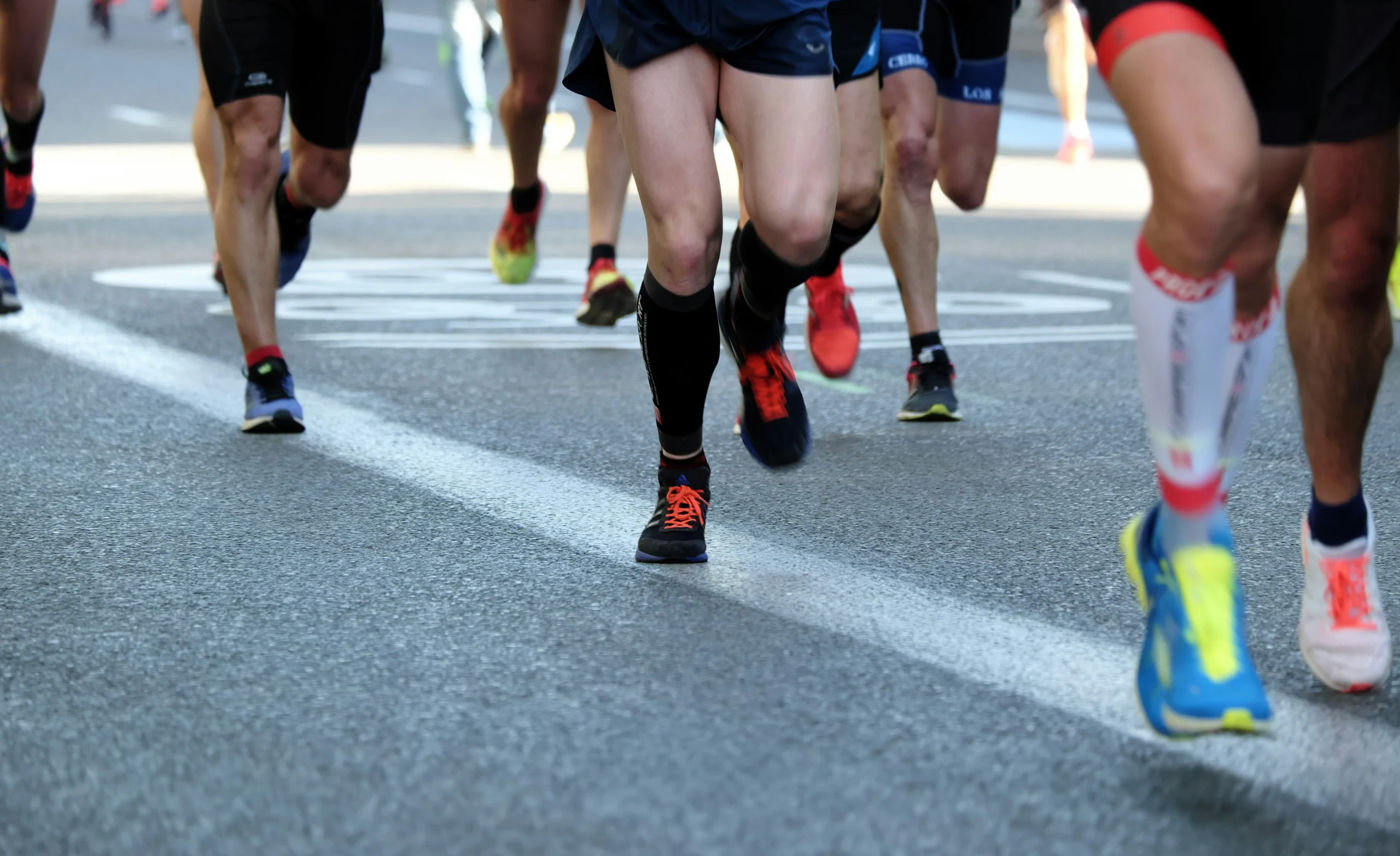
A sore or swollen knee after a run or a game of weekend sport is one of the most common reasons Australians put off seeing a physiotherapist. Part of the hesitation is not knowing whether the injury is minor, something that rest and a few days off will fix, or something more serious, like a torn ACL, that gets worse the longer it is left untreated.
Australia has one of the highest rates of ACL reconstruction surgery in the world. Research published in the Medical Journal of Australia found the national rate of ACL reconstructions grew by 43 per cent between 2000 and 2015, with the fastest growth among people under 25. Knee injuries are also a major reason people end up in hospital after sport more broadly. The Australian Institute of Health and Welfare recorded around 61,000 sport-related hospitalisations across the country in 2024-25, with football codes, cycling and soccer among the biggest contributors.
Knowing what to look for, and when to get a knee properly assessed, can be the difference between a short recovery and months on the sidelines. This article breaks down what separates runner’s knee from an ACL injury, which warning signs mean you should not wait, and what actually happens at that first physio assessment.
What Is Runner’s Knee?
Runner’s knee, medically known as patellofemoral pain syndrome, is a dull, aching pain around or behind the kneecap that develops gradually rather than from one specific incident.
It happens when the kneecap tracks slightly off-centre as it moves within its groove, usually from a combination of muscle imbalance, a sudden increase in training load, or weaker hip and glute control. Despite the name, it affects far more than runners. Anyone who does repetitive knee bending, including cycling, squatting, walking up stairs or playing court sports, can develop it.
Common signs include:
- Pain around or under the kneecap, often worse going up or down stairs
- Discomfort after sitting for a while with the knee bent
- A grinding or clicking sensation under the kneecap
- Mild swelling, but rarely significant or immediate
- Symptoms that build gradually over days or weeks, rather than appearing instantly
What Is an ACL Injury?
An ACL injury is a sprain or tear of the anterior cruciate ligament, one of the main ligaments that stabilises the knee, and it usually happens suddenly during a single movement rather than building up over time.
The anterior cruciate ligament sits deep inside the knee joint and stops the shin bone sliding forward under the thigh bone. It is most commonly injured during sports that involve sudden changes of direction, landing awkwardly from a jump, or a direct knock to the knee, which is why it shows up so often in football codes, netball, basketball and skiing.
Typical signs of an ACL injury include:
- A popping sound or sensation at the moment of injury
- Immediate or rapid swelling, usually within a few hours
- A feeling that the knee is unstable or about to give way
- Difficulty putting weight on the leg straight away
- Pain that is often sharper and more intense than runner’s knee
Runner’s Knee vs ACL Injury: Key Differences
Comparison table:
| Feature | Runner’s Knee | ACL Injury |
| Onset | Gradual, over days or weeks | Sudden, at a specific moment |
| Typical cause | Overuse, training load, biomechanics | Twisting, pivoting, awkward landing, direct hit |
| Pain location | Around or under the kneecap | Deep within the knee joint |
| Swelling | Mild, if any | Often significant, within hours |
| Stability | Knee generally feels stable | Knee may feel like it will give way |
| Sound at time of injury | None | Often a pop or crack |
| Weight-bearing | Usually possible, though uncomfortable | Often difficult straight away |
Other Common Weekend Sport Injuries
Runner’s knee and ACL tears are two of the most talked-about knee injuries, but they are far from the only ones physiotherapists see after a weekend on the field or the track. Ankle sprains, hamstring strains and rotator cuff irritation are just as common, particularly in people who play sport once or twice a week without a consistent strength or conditioning routine behind it. The same general rule applies to all of them. Pain that settles within a day or two and does not affect how you walk is usually low risk, while pain that gets worse, swelling that increases, or a joint that feels unstable needs a proper look.
Warning Signs You Should Not Ignore
Some symptoms point to something more serious than a strain, and waiting on these can turn a straightforward recovery into a much longer one. See a physio or your GP promptly if you notice:
- You cannot put weight on the leg or take four steps without significant pain
- The knee is visibly swollen within a few hours of the injury
- The joint feels like it will buckle or give way when you walk
- You cannot bend or straighten the knee properly
- Pain persists or worsens after a few days of rest
- There is obvious deformity around the knee or kneecap
These broadly reflect the same red flags used in the Ottawa Knee Rules, a clinical guide doctors and physiotherapists use to decide who needs an X-ray after an acute knee injury. The rules flag age 55 or over, an inability to bend the knee to 90 degrees, and an inability to bear weight as key indicators.
If the knee looks visibly deformed, you heard a loud pop followed by immediate severe swelling, or you cannot bear any weight at all, it is worth being seen the same day, either by a physio who can triage urgently or at an emergency department if a fracture is suspected.
When Should You See a Physio for a Sport Injury?
As a general guide, book a physio assessment within 48 to 72 hours of any knee injury that has not settled, and sooner if you notice any of the warning signs above.
There is a common misconception that physio is only for injuries already confirmed as serious, after a scan or a specialist referral. In reality, an early physiotherapy assessment is often what determines whether a scan is even needed. A physiotherapist can examine the knee’s stability, range of movement and swelling pattern, and refer for imaging only if the findings suggest a structural injury such as an ACL or meniscus tear.
Leaving a knee injury untreated does not just delay recovery. Changing the way you walk to avoid pain can lead to secondary problems in the hip, lower back or the other leg, which then need their own rehabilitation.
What Happens at a Physio Assessment for a Knee Injury?
A first appointment for a knee injury generally follows a similar pattern. Your physiotherapist will ask how the injury happened, since the mechanism, whether it was a twist, a direct blow or gradual overuse, narrows down the likely diagnosis before any hands-on testing begins. They will then assess range of movement, swelling and the stability of the ligaments through specific manual tests, along with your strength and how you are walking.
From there, you will get a clear explanation of what is likely going on, whether imaging is needed, and a plan for what the next few weeks look like. For straightforward cases like mild runner’s knee, that might mean managing training load and a targeted strengthening program. For a suspected ACL tear, it usually means a referral for an MRI and a conversation about surgical versus non-surgical management, based on your age, activity level and the specific findings.
Managing a Weekend Sport Injury Before You Get Seen
While you are waiting for an appointment, the POLICE protocol (Protection, Optimal Loading, Ice, Compression, Elevation) is the current, evidence-based approach physiotherapists recommend over the older rest-only advice.
- Protect the joint from further injury, using a brace or crutches if putting weight on it is painful
- Apply optimal loading, meaning gentle, pain-free movement rather than complete immobility, since some movement supports healing
- Ice the area for 15 to 20 minutes at a time in the first 48 to 72 hours to help manage swelling
- Compress with a firm bandage if swelling is significant
- Elevate the leg above heart height when resting
Common Mistakes People Make After a Sport Injury
- Playing on through pain, which often turns a minor strain into a more significant tear
- Waiting weeks to see if it “just gets better” instead of getting an early assessment
- Assuming rest alone will fix instability or persistent swelling
- Returning to sport as soon as pain eases, without rebuilding strength first
- Skipping rehabilitation exercises once the pain has settled, which raises the risk of re-injury
Frequently Asked Questions
How do I know if I’ve torn my ACL or just twisted my knee?
A simple twist that settles within a day or two, with little swelling, is more likely a minor sprain. An ACL tear usually comes with immediate swelling, a feeling of instability, and often a pop at the time of injury. If in doubt, a physiotherapy assessment can usually tell the difference without needing a scan first.
Can runner’s knee go away on its own?
Mild cases can improve with rest and a reduction in training load, but the underlying cause, usually a strength or movement pattern issue, tends to remain unless it is addressed. Without correcting that, runner’s knee often returns as soon as activity increases again.
How long after a knee injury should I see a physio?
Within 48 to 72 hours is a reasonable general guide for pain or swelling that has not settled, and immediately if you notice any of the warning signs, such as instability, significant swelling or an inability to bear weight.
Do I need a scan before seeing a physio?
No. A physiotherapist can assess a knee injury and determine whether imaging is actually necessary, which often saves time and unnecessary cost compared with seeking a scan first.
What is the difference between a sprain and an ACL tear?
A sprain refers to any stretched or partially torn ligament, and severity is usually graded from mild (Grade 1) to complete rupture (Grade 3). An ACL tear specifically refers to injury of the anterior cruciate ligament, which can range from a partial sprain to a complete rupture, and is generally more serious than a sprain of one of the knee’s outer ligaments.
Getting Your Knee Properly Assessed
Whether it turns out to be runner’s knee, a ligament sprain or something that needs further investigation, the safest first step after a weekend sport injury is a proper assessment rather than guesswork. Hope Physio’s physiotherapists work with weekend athletes, runners and sports teams across Werribee and Melbourne’s western suburbs to get injuries diagnosed early and rehabilitation started before small problems become bigger ones.
Submit an intake form and one of our physiotherapists will help work out what your knee actually needs next.