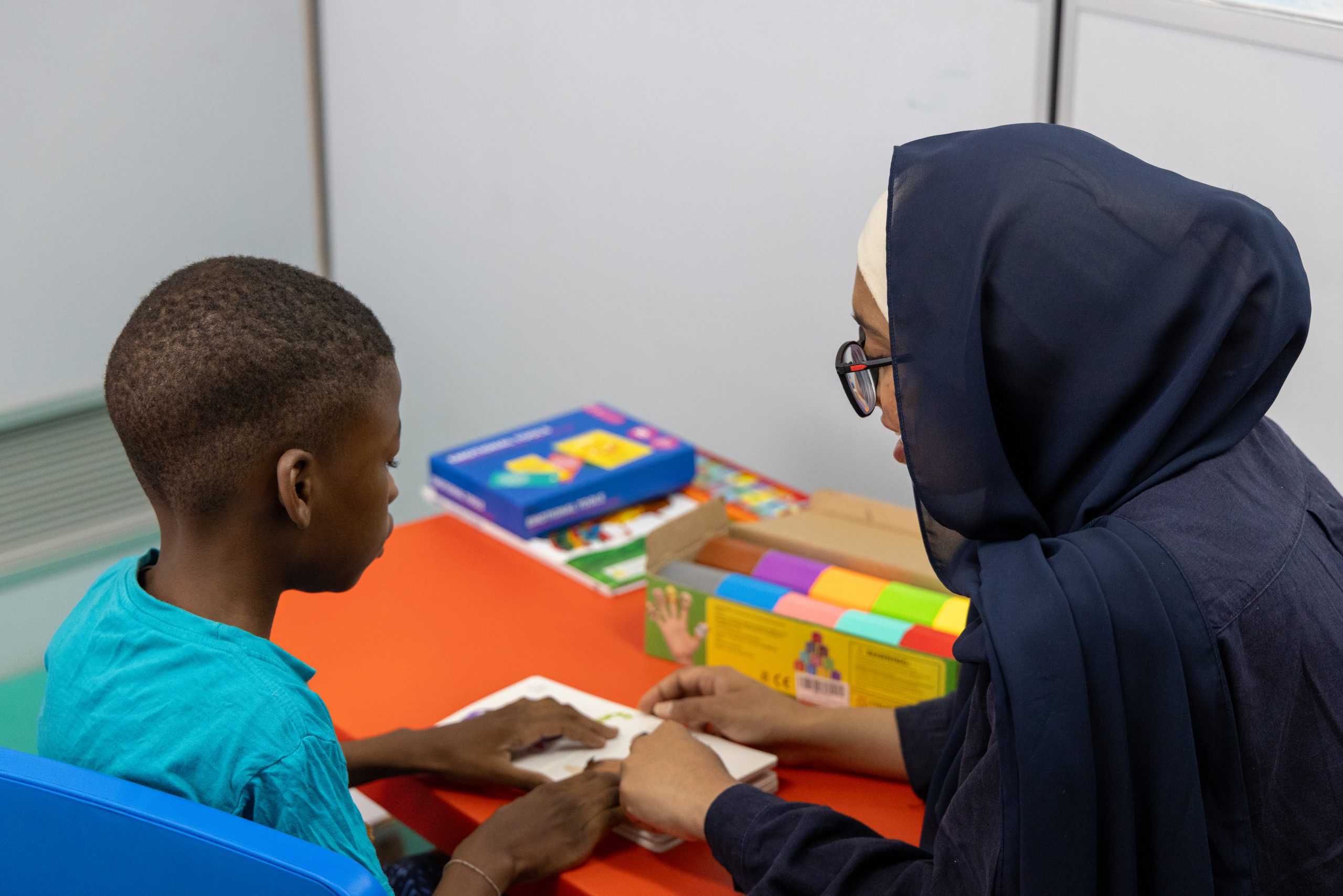
When a child struggles to be understood by their teacher, stumbles over words during show and tell, or goes quiet at the playground because talking feels too hard, the effects go well beyond speech. Communication challenges in children can ripple into their friendships, their confidence, and their ability to learn at school.
The good news is that speech pathology offers practical, evidence-based support that can make a real difference, particularly when it starts early.
The Problem: Communication Challenges Are More Common Than You Think
Research reported by Speech Pathology Australia shows that up to 17 per cent of four-year-old Australian children experience language and early literacy difficulties. Around 13 per cent of high school students also have communication challenges that can affect their learning and participation at school.
These numbers tell us this is not a rare concern. Many families across Melbourne and Geelong are dealing with the same questions: Is my child just a late talker? Should I be worried? Where do I start?
Communication issues in children can show up in different ways. Some children have trouble pronouncing sounds clearly. Others find it difficult to put sentences together, follow instructions, or understand what is being said to them. Some children may struggle with the social side of communication, such as taking turns in conversation, reading body language, or knowing how to join in with peers.
Left without the right support, these difficulties can compound over time.
How Communication Challenges Affect School and Social Life
For school-aged children, strong communication skills are the foundation for learning. A child who finds it hard to follow verbal instructions may fall behind in the classroom. A child who cannot express their ideas clearly may avoid putting their hand up or participating in group work.
Research also highlights the social impact. Children with speech and language difficulties are more likely to experience social withdrawal, reduced confidence, and difficulty forming friendships. Studies have found that preschoolers with communication challenges are less likely to be chosen as friends by their peers, and these difficulties can persist well into high school if not addressed.
It is not just about how a child speaks. It is about how they connect with the world around them.
What Is Speech Pathology and How Does It Help?
Speech pathology is a specialised area of allied health focused on assessing, diagnosing, and treating communication and swallowing difficulties. Speech pathologists are university-trained professionals who work with people of all ages, but early intervention for children is one of the most impactful areas of their work.
A speech pathologist can help children with a range of communication issues, including:
- Speech sound disorders, where a child has difficulty producing certain sounds or patterns of sounds clearly.
- Language delays, where a child is slower to develop the ability to understand or use words and sentences.
- Fluency challenges, such as stuttering, which can affect a child’s willingness to speak in social or classroom settings.
- Social communication difficulties, where a child finds it hard to use language appropriately in social situations, such as starting conversations or understanding non-verbal cues.
At Hope Physio, our speech pathologists work closely with families to understand each child’s specific needs. Sessions are often play-based for younger children, making therapy engaging while building essential skills. For older children, sessions may focus on structured exercises, conversation practice, and strategies they can use at school and at home.
Why Early Intervention Matters
The earlier a communication challenge is identified and addressed, the better the outcomes tend to be. Research consistently shows that children who receive early speech support demonstrate stronger results across academic achievement, literacy development, social skills, and emotional regulation.
During the early years, a child’s brain is at its most adaptable. This is when therapy can have the greatest effect on shaping communication pathways. Waiting to “see if they grow out of it” is a common response, but for many children, the difficulties do not resolve on their own and can become harder to address later.
If you have noticed that your child is not meeting expected communication milestones, or if their teacher has raised concerns, speaking with a speech pathologist sooner rather than later is worthwhile.
New Medicare Support for Speech Pathology (From March 2026)
In a significant development for Australian families, the Australian Government expanded the Medicare Benefits Schedule in March 2026 to include rebates for speech pathology services for children and young people under 25 with stuttering, speech sound disorders, and cleft lip or palate.
Under the expanded MBS M10 pathway, eligible children can now access up to eight assessment sessions and 20 treatment sessions with a Medicare rebate of $87.25 per session. A referral from a general practitioner, paediatrician, or specialist is required.
This change is expected to benefit more than 385,000 young Australians and represents a major step forward in making speech pathology more accessible and affordable for families.
How NDIS Participants Can Access Speech Pathology
For children with an NDIS plan, speech pathology can be funded under the Capacity Building budget. Hope Physio is an NDIS registered provider, and our team supports participants across Werribee, Melbourne, and Geelong.
Whether your child is self-managed, plan-managed, or NDIA-managed, we can work with your support coordinator to ensure speech pathology is included in your child’s plan. Our speech pathologists collaborate with occupational therapists within our clinic to provide a coordinated approach when a child benefits from both services.
What to Expect at Hope Physio
At Hope Physio, a speech pathology session typically begins with a thorough assessment to understand your child’s communication strengths and the areas where they need support. From there, your speech pathologist will develop a plan with clear goals, working alongside you as a parent or carer to ensure strategies are reinforced at home and at sch ool.
Our clinic is located at Shop 3/36 Synnot Street, Werribee, and we also provide home visits across Melbourne and Geelong for families who need flexible service options.
When Should You Seek Speech Support?
There is no single checklist that fits every child, but here are some signs that it may be time to talk to a speech pathologist:
- Your child is harder to understand than other children their age.
- They become frustrated when trying to communicate.
- They avoid speaking in group settings or with unfamiliar people.
- Their teacher has flagged concerns about listening, following instructions, or participating in class.
- They are not meeting expected speech and language milestones for their age.
You do not need a formal diagnosis to book a speech pathology session. If something feels off, trust your instinct and reach out. Early action can set your child up for stronger communication, better learning outcomes, and more confident social interactions.