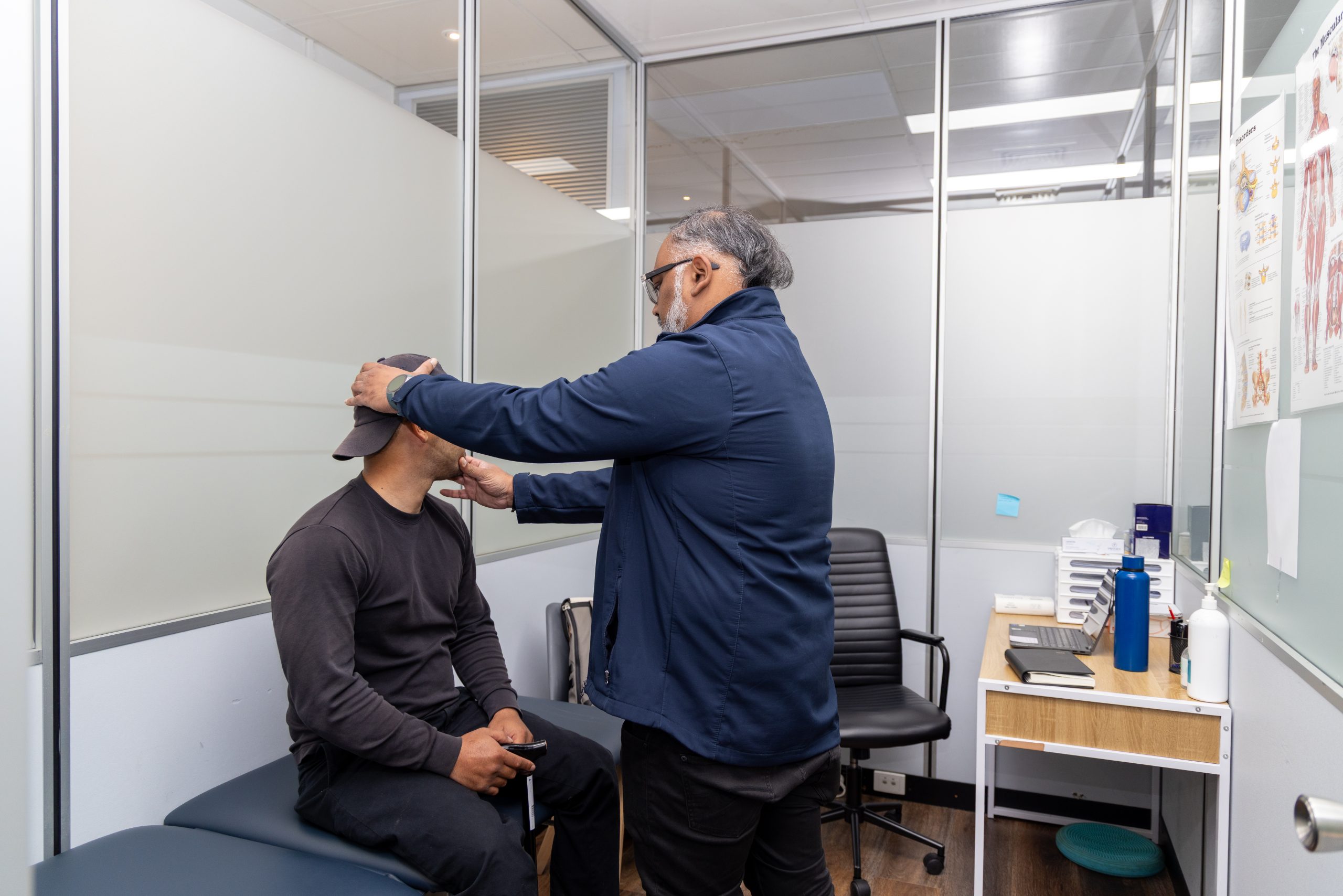
Booking your first physio session can feel a little nerve-racking, especially if you have never seen a physiotherapist before. You might be wondering what they will ask, whether the treatment will hurt, or how long the whole thing will take. These are completely normal concerns, and the good news is that knowing what to expect ahead of time can make the experience far more comfortable.
At Hope Physio, our physiotherapy team works with people across Werribee, Melbourne, and Geelong who are recovering from injury, managing chronic pain, or looking to improve their physical function. This guide walks you through every stage of a typical first physio appointment so you can show up feeling prepared and confident.
Before You Arrive
A small amount of preparation goes a long way in making your first physio session productive.
Bring any relevant documents. If you have imaging reports (such as X-rays, ultrasounds, or MRI scans), a referral letter from your general practitioner, or any previous medical records related to your condition, bring them along. These give your physiotherapist a clearer picture of your history before the session begins.
Wear comfortable clothing. Choose loose, flexible clothing that allows your physiotherapist to see and access the affected area easily. For a lower back or knee issue, shorts or leggings work well. For shoulder or neck concerns, a singlet or loose-fitting top is ideal.
Arrive a few minutes early. You may need to complete a short intake form or provide your personal and medical details if you have not already done so online. Arriving early means your session time is spent on assessment and treatment rather than paperwork.
What Happens During the Consultation
Your first physio appointment typically lasts between 45 and 60 minutes. The session is divided into a few clear stages.
Step 1: A Conversation About You
Your physiotherapist will start by sitting down with you and asking questions. This is not a rushed checklist. It is a genuine conversation designed to understand your situation. You can expect questions about when your symptoms started, what makes them better or worse, how the issue affects your daily life, and what your goals are for treatment.
For example, your goal might be to return to a particular sport, get through a workday without pain, or simply be able to pick up your child without discomfort. Sharing this helps your physiotherapist plan a treatment approach that is meaningful to you.
Step 2: Physical Assessment
Once your therapist has a clear understanding of your history, they will move to a hands-on physical assessment. This may include observing how you move, testing your range of motion, checking your strength in specific muscle groups, and performing specialised tests relevant to your condition.
The assessment might involve movements such as bending, reaching, squatting, or walking. Your physiotherapist will explain what they are doing at each step and will always check in to make sure you are comfortable. If any movement reproduces your pain, that information is valuable for identifying the root cause of your issue.
Step 3: Explanation of Findings
After the assessment, your physiotherapist will explain what they have found. This is where you get a clear picture of what is going on in your body and, just as importantly, why it is happening.
A good physiotherapist will use plain language rather than medical jargon. You should leave this part of the session with a solid understanding of your condition, the factors contributing to it, and what needs to happen to improve it.
Step 4: Initial Treatment
In most cases, treatment begins in your very first session. Depending on your condition, this could include manual therapy techniques such as soft tissue massage or joint mobilisation, targeted exercises to begin addressing weakness or stiffness, postural or ergonomic advice, and guidance on activity modification to reduce irritation while you recover.
Your physiotherapist will explain each technique before applying it and will seek your input throughout. Nothing is done without your understanding and consent.
Step 5: Your Take-Home Plan
You will leave your first physio session with a set of exercises or strategies to work on at home. These are specific to your condition and goals, not generic printouts. Your therapist may also outline how many sessions they expect you will need and how often you should return.
Recovery is a partnership. What you do between sessions matters just as much as what happens in the treatment room, so committing to your home program is one of the most effective things you can do.
Does Physiotherapy Hurt?
This is one of the most common questions people have before their first physio appointment. The honest answer is that some parts of the assessment may reproduce your existing symptoms. For instance, if a particular movement triggers your pain, your therapist needs to see that to understand the problem. However, they will always work within your tolerance and will never push you beyond what feels safe.
Some hands-on treatment techniques can cause temporary soreness, similar to what you might feel after a workout. This usually settles within 24 to 48 hours. If anything feels too intense, let your therapist know straight away. Communication is key.
How to Get the Most Out of Your Physio Treatment
To make your physiotherapy sessions as effective as possible, keep these points in mind. Be honest about your symptoms and how they affect you. Complete the home exercises your therapist prescribes, even on days when you feel better. Ask questions if something is unclear. Track any changes in your symptoms between sessions and report them back. Attend follow-up appointments on schedule to maintain momentum.
Book Your First Physio Session at Hope Physio
If you have been putting off seeing a physiotherapist because you were not sure what to expect, you now have a clear picture of how the process works. Your first session is about understanding your body, identifying the cause of your pain or limitation, and starting a recovery plan that fits your life.
Hope Physio offers physiotherapy services at our Werribee clinic and through in-home visits across Melbourne and Geelong. We also support participants under the NDIS, Home Care Packages, TAC, and private health insurance.
Ready to take the first step? Book a physiotherapy session with Hope Physio today.