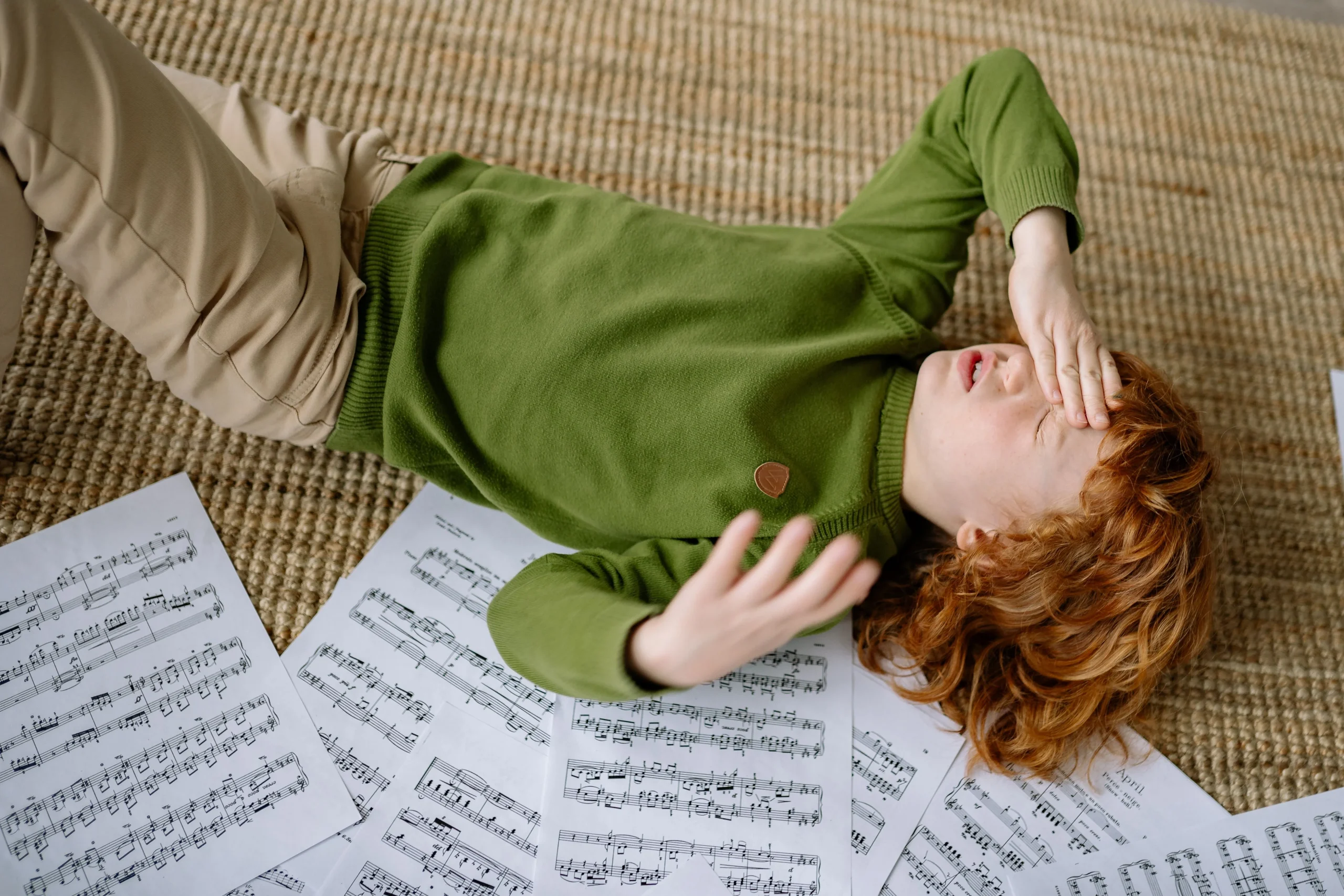
If you’re a new parent and noticed that your child seems to feel overwhelmed by normal sounds, uneasy when feeling certain textures like t-shirt tags, or seem to crash into everything in sight, this is a common symptom of autism. Sensory processing difficulties are common in children with autism, and knowing this doesn’t make the daily battles over socks, hair brushing or noisy classrooms any easier to live through. Research from a UK clinical trial published through the National Institute for Health Research puts the figure at 90 to 95 per cent of children with autism experiencing some form of difficulty processing sensory information. That is most children on the spectrum, not a small minority.
If this sounds like your child, occupational therapy (OT) is one of the main supports available, and it does more than help a child cope with noise or textures. If done well, it builds the everyday skills that sensory difficulties tend to get in the way of: getting dressed, eating a meal, sitting through class, and joining in with friends.
What Is Sensory Processing?
Sensory processing is how the brain receives information from the senses, organises it, and turns it into a response. This covers the five senses most people think of, plus two others that matter just as much for children: proprioception (body awareness and how much force to use) and the vestibular sense (balance and movement).
When this process runs smoothly, a child barely notices it happening. When it doesn’t, ordinary input such as a scratchy jumper tag, the hum of a fluorescent light, or the noise of a full classroom can feel like too much. For other children, the opposite happens: sensory input barely registers at all, and they go looking for more of it.
Signs of Sensory Processing Difficulties in Children
Most children with sensory processing difficulties fall into one of two broad patterns, though a good number show a mix of both depending on the environment and the day.
| Sensory Seeking | Sensory Avoiding |
| Craves movement: jumping, spinning, crashing into furniture or people | Covers ears at moderate noise levels |
| Chews on clothing, toys or fingers | Avoids messy play like sand, glue or finger paint |
| Touches everything, including other people | Refuses certain fabrics, tags or shoe types |
| Seems unaware of pain or temperature | Melts down in busy or loud environments |
| Struggles to sit still, even during quiet activities | Restricts food to a narrow range of textures |
Neither pattern is a behaviour problem in the way it can look from the outside. A child hiding under a table during assembly, or one who won’t stop touching the walls on the way into the classroom, is responding to their nervous system, not being difficult on purpose.
How Occupational Therapy Helps With Sensory Processing
An occupational therapist starts by assessing how a child takes in and responds to sensory information across the places they spend time: home, school, and the community. From there, the OT builds a plan suited to that specific child, because a strategy that calms one child down can be exactly what overstimulates another.
It is worth being upfront here: the research on formal sensory integration therapy on its own is still developing. Raising Children Network notes that the evidence for structured sensory integration protocols is mixed, and that some children respond well while the results for others are harder to measure. What tends to make the real, lasting difference in practice is combining sensory strategies with direct, practical skill-building, rather than sensory activities alone.
That practical work usually includes:
- Sensory strategies matched to the child, such as movement breaks, weighted items, or quiet spaces to retreat to
- Environmental adjustments at home or school, like seating position, lighting, or reducing background noise
- Coaching for parents and teachers so strategies are used consistently, not just during therapy sessions
- Direct skill-building tied to daily routines, from getting dressed to joining a group activity
You can read more about the occupational therapy Hope Physio offers for children.
Everyday Skills Occupational Therapy Builds
The aim of OT is not simply to make sensory input more tolerable. It is to help a child manage the actual tasks that sensory difficulties get in the way of. Common areas of focus include:
- Getting dressed independently, including tolerating different fabrics and fastenings
- Eating a wider range of foods and sitting through a family meal
- Settling into a bedtime routine and sleeping through the night
- Coping with transitions and unexpected changes to routine
- Joining in birthday parties, playdates and group activities without a meltdown
- Participating in the classroom: circle time, handwriting, and the general noise and movement of a school day
A Sensory Diet: What It Can Look Like at Home
A sensory diet has nothing to do with food. It is a personalised schedule of sensory activities, planned by an OT, that helps a child stay in a regulated, ‘just right’ state through the day rather than swinging between overwhelmed and under-stimulated. A simple example might look like this:
- Morning: heavy work before school, such as carrying the school bag or animal walks, to help with alertness and focus
- Midday: scheduled movement breaks and a chewy snack to support attention through the afternoon
- Evening: deep pressure activities, such as a weighted blanket or a firm hug, to help wind down before bed
The exact plan depends entirely on the child. What settles one child down might be exactly what winds another one up, which is why a sensory diet is built by an OT rather than copied from a general list.
Common Mistakes Parents Make
- Pushing exposure too fast, such as insisting a child ‘just get used to’ a food texture or fabric before they are ready
- Using sensory strategies only at home, without sharing them with the school or other carers
- Waiting to seek an OT assessment in the hope the child will grow out of it, when earlier support tends to build skills faster
- Treating sensory reactions as defiance rather than a genuine nervous system response
Frequently Asked Questions
What are the signs of sensory processing issues in a child?
Common signs include strong reactions to noise, light or textures, avoiding messy play or certain foods, seeking out constant movement or crashing into things, and difficulty settling in busy environments such as classrooms or shopping centres. Signs vary a lot between children, so an OT assessment is the most reliable way to understand what is actually happening.
Is sensory processing disorder the same as autism?
No. Sensory processing difficulties are very common in children with autism, with research suggesting 90 to 95 per cent are affected, but sensory difficulties can also occur in children without autism, including children with ADHD or developmental delay.
Can occupational therapy help with sensory processing difficulties?
Yes. An OT assesses how a child responds to sensory input and builds an individualised plan combining sensory strategies, environmental changes and direct skill-building. The strongest results tend to come from combining sensory support with practical, everyday skill-building rather than sensory activities alone.
What does a sensory diet involve?
A sensory diet is a personalised schedule of physical activities, such as movement breaks, heavy work or deep pressure input, designed by an OT to help a child stay regulated through the day. It has nothing to do with food or eating.
How do I know if my child needs an OT assessment?
If sensory reactions are getting in the way of daily routines such as dressing, eating, sleeping or school participation, an OT assessment is a reasonable next step. An assessment will confirm whether therapy is needed and what it should focus on.
Key Takeaways
- Around 90% to 95% of children with autism experience some difficulty processing sensory information
- Sensory difficulties generally show up as sensory seeking, sensory avoiding, or a mix of both
- Occupational therapy combines sensory strategies with direct skill-building, which tends to produce the most lasting results
- A sensory diet is a personalised activity schedule, not a food plan
- Skills most affected include dressing, eating, sleep, transitions and school participation
Sensory processing difficulties can make ordinary parts of the day, like getting dressed or sitting through dinner, genuinely hard for a child with autism and for the family around them. Occupational therapy will not remove every sensory challenge overnight, but with the right assessment and a plan built around your child, it can turn daily battles into skills your child can actually manage.
Hope Physio’s occupational therapy team works with children with autism across Melbourne and Geelong, building individualised, play-based plans that focus on real, everyday skills. Submit an intake form below to arrange an assessment for your child.